

Why Pipe Floats Are Essential For Efficient And Stable Pipeline Operations
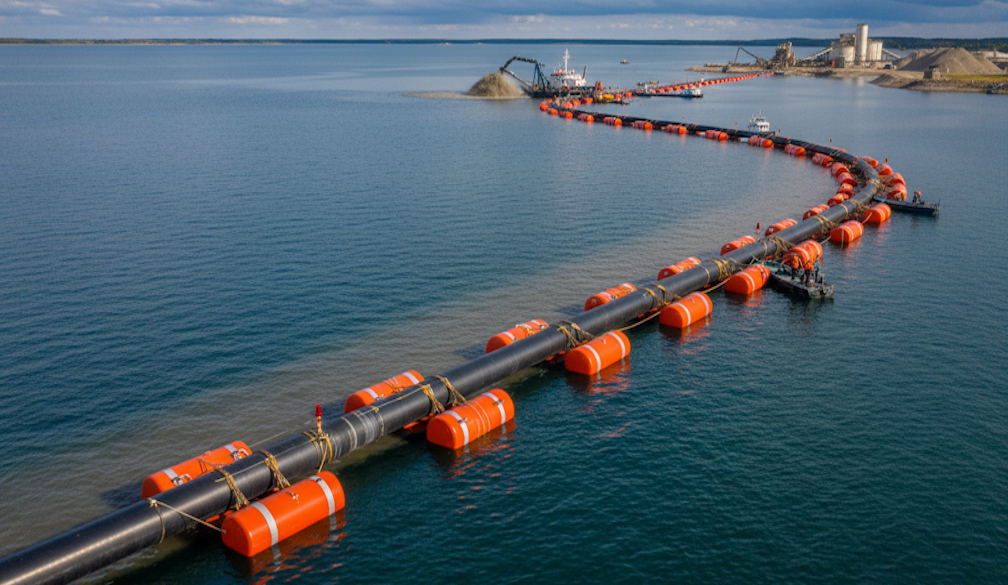
In environments where pipelines stretch across water bodies, uneven terrain, or soft ground, stability becomes more than a convenience; it becomes a necessity. Without proper support, pipelines can sink, shift, or suffer damage that disrupts entire operations. This is where Pipe floats step in as a critical solution, ensuring that pipelines remain stable, buoyant, and functional even in the most challenging conditions.
Whether used in mining, dredging, or water transfer systems, pipe floats act as silent stabilisers, keeping operations balanced and efficient.
Understanding The Role Of Pipe Floats In Pipeline Systems
Pipe floats are designed to provide buoyancy and support to pipelines, particularly in applications where pipes are laid over water or soft surfaces. They help keep pipelines afloat, preventing them from sinking or becoming submerged.
This buoyancy ensures that the pipeline maintains its intended position, allowing materials to flow without obstruction. By stabilising the pipeline, pipe floats reduce the risk of damage and improve overall system efficiency.
In operations where consistency is key, maintaining the correct pipeline position is essential.
Enhancing Stability In Challenging Environments
Pipelines operating in water bodies or unstable terrain are constantly exposed to movement and external forces. Without proper support, they can shift or become misaligned.
Pipe floats provide the stability needed to counter these forces. Their design ensures that pipelines remain securely positioned, even in dynamic conditions.
This stability is crucial for maintaining uninterrupted operations and preventing costly disruptions.
Durability Designed For Harsh Conditions
Pipe floats are often used in environments where they are exposed to water, chemicals, and physical impact. To withstand these conditions, they are constructed using durable materials that resist wear and corrosion.
Their robust design ensures long-term performance, even in demanding applications. This durability reduces the need for frequent replacements, making them a cost-effective solution.
Reliable equipment is essential for maintaining efficiency in industrial operations.
Supporting Efficient Material Flow
A stable pipeline ensures a consistent flow of materials. When pipelines shift or become submerged, it can lead to blockages, reduced flow rates, or system failures.
Pipe floats help maintain the correct alignment and elevation of pipelines, ensuring that materials move smoothly from one point to another.
This efficiency is particularly important in large-scale operations where delays can have significant consequences.
Flexibility And Ease Of Installation
Pipe floats are designed to be easy to install and adapt to different pipeline configurations. Their modular design allows them to be fitted onto pipelines quickly, reducing installation time.
This flexibility makes them suitable for a wide range of applications, from temporary setups to permanent installations.
Ease of use enhances their practicality in various operational environments.
Reducing Maintenance And Operational Costs
Unstable pipelines can lead to increased maintenance requirements and higher operational costs. Damage caused by sinking or shifting can result in repairs and downtime.
By providing consistent support, pipe floats help reduce these risks. Their durability and reliability minimise the need for maintenance, allowing operations to run smoothly.
This cost-saving benefit makes them an essential component in many industries.
Enhancing Safety In Pipeline Operations
Safety is a critical concern in any industrial operation. Unstable pipelines can pose risks to workers and equipment, especially in environments where heavy machinery is involved.
Pipe floats contribute to a safer working environment by ensuring that pipelines remain stable and secure. This reduces the likelihood of accidents and equipment damage.
A stable system is a safer system.
Versatility Across Multiple Industries
Pipe floats are used in a variety of industries, including mining, dredging, and water management. Their ability to provide buoyancy and support makes them suitable for different applications.
This versatility allows businesses to use them across multiple projects, improving efficiency and reducing the need for specialised equipment.
A single solution can address multiple operational challenges.
Adapting To Specific Operational Needs
Different projects require different levels of support and buoyancy. Pipe floats can be customised to meet specific requirements, ensuring optimal performance in each application.
This adaptability enhances their effectiveness and ensures that they meet the demands of various environments.
Customised solutions provide better results and improved reliability.
Conclusion: A Key Component For Stable And Efficient Pipeline Systems
Pipe floats play a vital role in maintaining the stability, efficiency, and safety of pipeline operations. Their ability to provide buoyancy and support ensures that pipelines remain functional even in challenging conditions.
By investing in high-quality pipe float solutions, businesses can improve operational efficiency, reduce maintenance costs, and enhance safety. In the end, stable pipelines are the foundation of reliable operations, and pipe floats are the key to achieving that stability.