How Mining Hose Systems Help Reduce Downtime in Mining Operations
- Written by Guest Posting
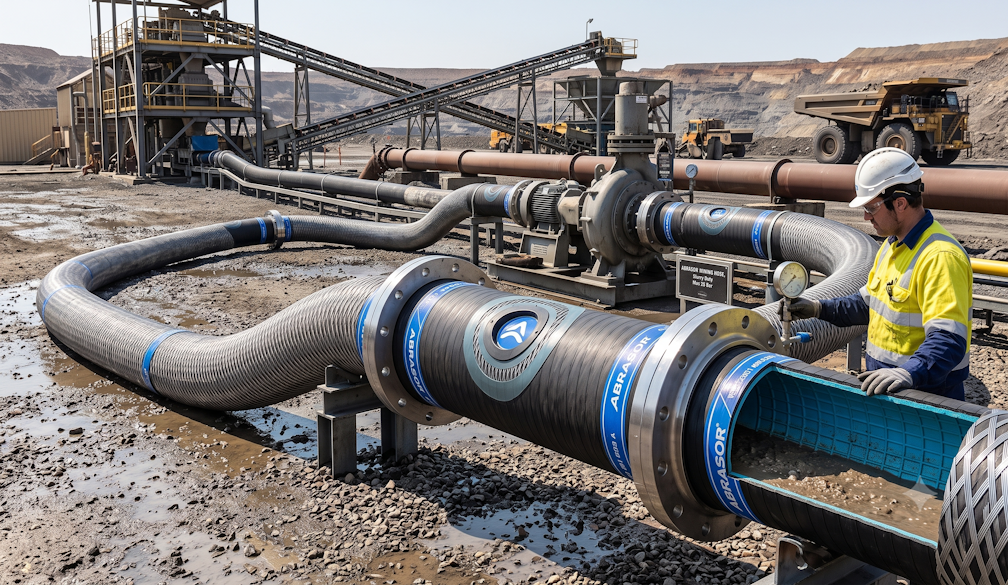
A durable mining hose is a vital asset for mining companies that depend on continuous material movement and reliable operational performance. Mining operations involve the transportation of abrasive materials, slurry mixtures, tailings, and water across various stages of production. Because these processes run under demanding conditions, the quality of hose systems can significantly influence productivity, equipment reliability, and overall operating costs.
Unplanned downtime remains one of the biggest challenges in the mining industry. Equipment failures can interrupt production schedules, increase maintenance expenses, and affect profitability. High-performance mining hoses help minimise these risks by delivering dependable performance in harsh environments where ordinary transfer systems may not survive.
The Demands of Modern Mining Environments
Mining sites present some of the toughest conditions for industrial equipment. Operations often involve abrasive materials, continuous workloads, varying temperatures, and rugged terrain that place constant stress on machinery and supporting systems.
Hose systems must perform reliably while handling abrasive slurries, mineral concentrates, and waste materials. Any weakness in design or material quality can result in premature wear and unexpected failures.
For this reason, mining operators increasingly prioritise equipment engineered specifically for the industry's unique challenges.
Why Reliable Material Transport Matters
The movement of materials is central to every mining operation. Extracted ore must be transferred to processing facilities, while slurry and tailings need to be transported safely throughout the site.
When transport systems operate efficiently, production can continue without unnecessary interruptions. Reliable hoses help maintain consistent flow rates and support smooth operation across extraction, processing, and waste management activities.
A well-designed hose system contributes directly to operational efficiency by reducing delays associated with maintenance and equipment replacement.
Managing Abrasive Slurry Applications
Slurry transport is one of the most demanding applications within mining environments. These mixtures contain water combined with abrasive particles that continuously wear against equipment surfaces.
Mining hoses are designed with specialised internal linings that resist abrasion and help maintain structural integrity during prolonged use. Reinforced construction provides additional strength while allowing the hose to remain flexible enough for practical installation and operation.
This combination of durability and performance helps mining companies manage abrasive applications more effectively.
Supporting Tailings and Waste Management
Tailings management is a critical aspect of responsible mining operations. Waste materials generated during mineral processing must be transported safely to designated storage areas while minimising environmental risks.
Mining hoses are frequently used within tailings systems because they offer the durability needed to handle abrasive waste streams. Their reliability helps ensure efficient material movement while supporting environmental management objectives.
Effective tailings transport systems also contribute to improved site organisation and operational consistency.
The Importance of Hose Durability
Durability is one of the most important factors when selecting mining equipment. Frequent hose replacements not only increase maintenance costs but can also disrupt production schedules and create operational inefficiencies.
High-quality mining hoses are manufactured using wear-resistant materials that help extend service life even in demanding environments. Their ability to withstand continuous exposure to abrasive materials makes them a valuable long-term investment.
Extended service life allows businesses to reduce replacement frequency and improve overall asset utilisation.
Improving Safety Across Mining Sites
Safety is a major priority within the mining industry. Equipment failures can lead to leaks, spills, environmental concerns, and hazards for workers operating nearby.
Using robust hose systems designed specifically for mining applications helps reduce these risks. Quality products undergo extensive testing to ensure they can perform safely under demanding operating conditions.
Regular inspections and maintenance procedures further support workplace safety by identifying wear before it develops into a significant issue.
Selecting the Right Mining Hose
Every mining application has unique requirements. Material type, pressure levels, flow rates, particle size, and environmental exposure all influence hose selection.
A hose suitable for transporting water may not provide adequate performance for abrasive slurry applications. Likewise, systems handling high-pressure materials may require specialised reinforcement and construction.
Careful product selection helps ensure optimal performance while reducing maintenance demands and improving operational reliability.
Maintenance Strategies That Enhance Performance
Preventive maintenance is essential for maximising hose lifespan and maintaining consistent performance. Regular inspections allow operators to identify wear patterns, abrasions, and damaged fittings before failures occur.
Proper handling practices also contribute to longer service life. Avoiding excessive bending, protecting hoses from unnecessary stress, and following manufacturer guidelines can significantly improve durability.
A proactive maintenance program helps reduce unexpected downtime and supports more predictable operational planning.
The Long-Term Value of Quality Mining Hoses
Although premium hose solutions may involve a higher initial investment, they often deliver substantial long-term savings. Improved durability, fewer maintenance interruptions, and reduced replacement requirements contribute to lower overall operating costs.
Reliable equipment also supports higher productivity by allowing mining operations to focus on production rather than reactive maintenance activities.
When evaluated over the full lifecycle of the product, quality hose systems often provide exceptional value and operational benefits.
Conclusion
Efficient material transport is essential to successful mining operations, and mining hoses play a central role in supporting that objective. Their ability to withstand abrasive materials, maintain reliable flow, and perform under challenging conditions makes them indispensable across extraction, processing, and tailings management activities.
By investing in high-quality mining hose solutions and implementing effective maintenance practices, mining companies can improve productivity, enhance safety, reduce downtime, and achieve stronger long-term operational performance.