How Occupational Therapy Supports Daily Life After a Spinal Cord Injury
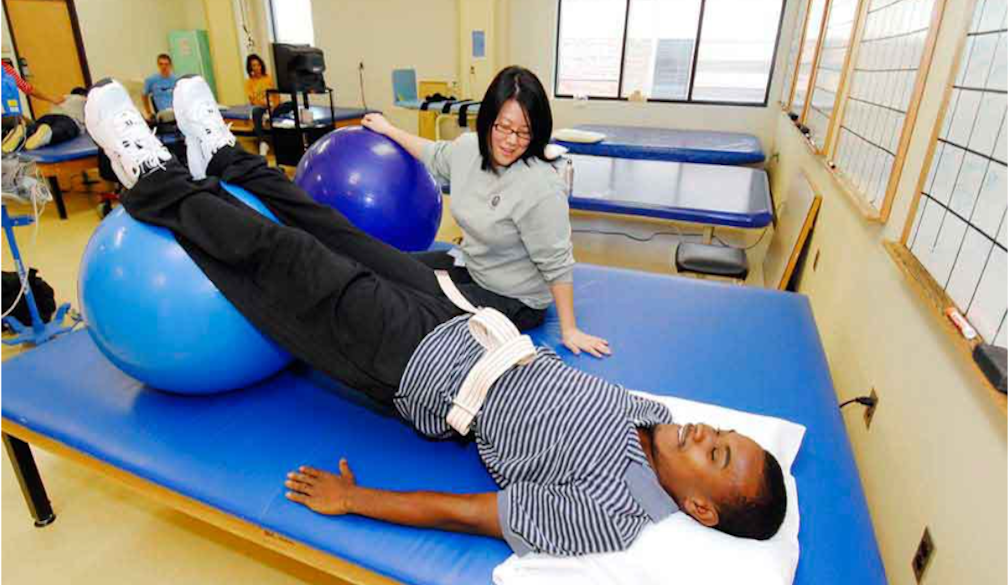
Living with a spinal cord injury often involves long-term changes to movement, sensation, and physical independence. Many people experience some level of paralysis or ongoing mobility challenges that affect how everyday tasks are carried out. Occupational therapy plays a practical, life-focused role in helping individuals adapt to these changes and maintain independence in meaningful ways.
Rather than centring only on medical recovery, occupational therapy looks closely at daily life — how people move through their environment, manage routines, and participate in activities that matter to them.
Focusing on Real-Life Function, Not Just Recovery
After a spinal cord injury, progress is not always measured by physical improvement alone. For many, it involves learning alternative ways to complete everyday tasks such as dressing, bathing, preparing meals, working, or using technology. Occupational therapy supports this process by identifying priorities and finding realistic ways to make daily activities achievable.
This may include adapting how tasks are performed, introducing assistive equipment, or restructuring routines to reduce physical effort and fatigue.
Supporting Independence With Mobility Challenges
For individuals living with paralysis or reduced mobility, independence is closely tied to how effectively they can move within their surroundings. Occupational therapists work with individuals to assess transfers, wheelchair use, positioning, and movement through different environments.
Support may focus on safe transfer techniques, pressure management, and strategies that allow people to navigate their home, workplace, or community with greater confidence.
Adapting the Home and Everyday Environment
Environmental adaptation is a key part of occupational therapy following a spinal cord injury. Even small changes to a living space can have a significant impact on safety and ease of movement. This may involve bathroom modifications, changes to furniture layout, or the use of adaptive tools to support daily tasks.
The emphasis is on shaping the environment to support independence, rather than expecting the individual to work around unnecessary barriers.
Assistive Technology and Equipment
Occupational therapy often includes identifying and supporting the use of assistive devices that make daily life more manageable. These can range from simple aids for dressing or cooking to more advanced equipment that supports communication, computer use, or work-related activities.
Learning how to use these tools effectively can reduce reliance on others and support greater autonomy.
Returning to Work and Community Life
Spinal cord injuries can disrupt employment, education, and social participation. Occupational therapy helps individuals explore ways to re-engage with these aspects of life by addressing practical challenges. This may include workplace adjustments, task modification, or strategies to manage physical demands across the day.
For those accessing Occupational Therapy Brisbane, this support often focuses on helping individuals remain active within their community while adapting to new physical realities.
Emotional Adjustment and Identity
Living with paralysis or mobility challenges affects more than physical ability. Occupational therapy also recognises the emotional adjustment that often follows a spinal cord injury. Regaining independence in everyday tasks can support confidence, self-direction, and a renewed sense of control during a period of significant change.
A Practical Path Forward
Occupational therapy for spinal cord injuries is centred on helping people live as independently as possible within the context of their condition. By focusing on practical strategies, adaptive solutions, and personal goals, it supports long-term participation in daily life.
For individuals living with spinal cord injuries and ongoing mobility challenges, occupational therapy provides structured, realistic support that turns adaptation into sustainable independence.