Choosing the Right CPAP Mask for Comfortable Sleep Apnea Therapy
Effective sleep apnea therapy depends heavily on comfort, fit, and consistency. A cpap mask is one of the most important components of CPAP treatment, as it delivers the continuous airflow needed to keep airways open during sleep. When chosen correctly, the right mask can significantly improve sleep quality, reduce daytime fatigue, and help users maintain long-term compliance with therapy. CPAP therapy is highly effective, but many users struggle initially due to discomfort or poor mask fit. Understanding how different mask types work and how they affect breathing, movement, and sleep posture can make a meaningful difference. A well-fitted mask should feel secure without causing pressure, irritation, or leaks throughout the night.
Why a Nasal Mask Is a Popular Choice for Many Users
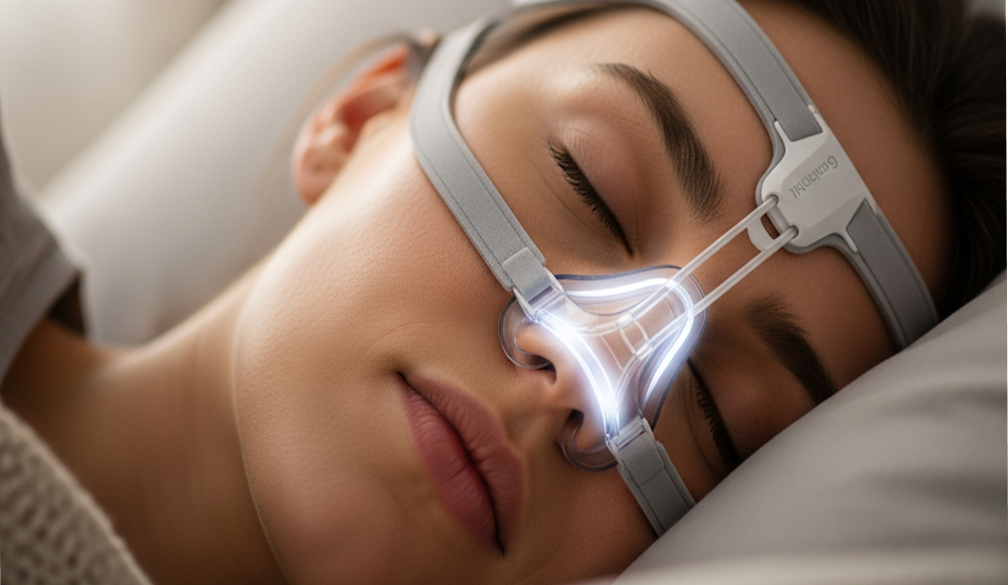
For people who prefer a lighter and less intrusive option, the nasal mask is often a popular choice. This mask type covers only the nose, allowing for a more open field of vision and a less bulky feel compared to full-face alternatives. Many users find this design more comfortable, especially those who move frequently during sleep. Nasal masks are particularly suitable for individuals who breathe primarily through their nose. Their compact design reduces facial contact, which can help minimise skin irritation and pressure marks. This balance of stability and comfort makes nasal masks a common starting point for new CPAP users.
Targeted Comfort With a Sleep Apnea Nasal Mask
A sleep apnea nasal mask is designed specifically to support uninterrupted airflow while maintaining a secure seal throughout the night. These masks focus on reducing air leaks and improving overall comfort, which is essential for effective therapy. When airflow remains consistent, users are less likely to experience disruptions that interrupt sleep cycles.
Many modern nasal masks feature soft cushioning and adjustable headgear to accommodate different facial structures. This adaptability helps users achieve a personalised fit, reducing discomfort and improving long-term adherence to therapy. Over time, improved comfort leads to better sleep consistency and overall health outcomes.
Comfort and Fit as Key Factors in Therapy Success
Comfort is not just a preference but a requirement for successful CPAP therapy. Masks that cause pressure, noise from air leaks, or skin irritation often lead users to remove them during the night. This interrupts therapy and reduces its effectiveness.
A properly fitted mask should feel stable yet gentle. It should maintain its seal in different sleeping positions without requiring excessive strap tension. When comfort and fit are prioritised, users are more likely to wear their mask consistently, which is essential for managing sleep apnea effectively.
Reducing Common Issues With Proper Mask Selection
Many CPAP users experience challenges such as dryness, congestion, or air leaks. These issues are often linked to mask choice rather than the therapy itself. Selecting the right mask style can help address these concerns by directing airflow more efficiently and reducing pressure points.
Nasal-focused masks often allow for greater freedom of movement and a quieter sleep experience. This can be especially beneficial for light sleepers or those sharing a bed, as reduced noise and fewer disruptions support better rest for everyone involved.
Supporting Long-Term CPAP Compliance
Consistency is the cornerstone of successful sleep apnea treatment. Even the most advanced CPAP machine cannot deliver results if the mask is uncomfortable or poorly suited to the user. A mask that fits well and feels natural encourages nightly use, which directly impacts treatment outcomes.
Over time, consistent therapy helps reduce the risks associated with untreated sleep apnea, including cardiovascular strain, daytime sleepiness, and reduced concentration. The right mask plays a central role in achieving these benefits by making therapy easier to maintain.
Lifestyle and Sleep Position Considerations
Sleep habits and lifestyle factors also influence mask choice. Side sleepers, for example, may prefer lower-profile masks that maintain their seal without shifting. Active sleepers benefit from designs that remain secure despite movement during the night.
Considering these factors during mask selection helps avoid frustration and trial-and-error. A mask that aligns with natural sleep behaviour supports comfort and improves overall satisfaction with CPAP therapy.
Maintaining Hygiene and Performance
Regular cleaning and proper maintenance are essential for mask performance and hygiene. Oils and residue can affect the seal and cause skin irritation if not addressed. Maintaining a clean mask not only improves comfort but also extends the life of the equipment.
Consistent care supports reliable airflow delivery and helps users feel confident in their therapy routine. When maintenance becomes part of a simple nightly habit, CPAP use feels less like a chore and more like a normal part of sleep.
Conclusion
Choosing the right CPAP mask is a crucial step toward successful sleep apnea management. With options such as nasal masks designed for comfort, stability, and ease of use, users can find solutions that support consistent therapy and better sleep quality. When comfort, fit, and lifestyle needs align, CPAP therapy becomes more effective, helping users achieve healthier sleep and improved overall wellbeing.